
After All
The purpose of art is mystery.—René Magritte
States of happiness, mythology, faces molded by time, certain twilights and certain places—all these are trying to tell us something, or have told us something we should not have missed, or are about to tell us something; that imminence of a revelation that is not yet produced is, perhaps, the aesthetic reality.—Jorge Luis Borges, “The Wall and the Books”
Read More
You would pluck out the heart of my mystery.—Shakespeare, Hamlet, Act III, Scene 2
American culture these days valorizes dichotomous thinking and polemical extremism as proof of seriousness and commitment, and balance (or compromise) is seen as inferior—tainted by compromise. The worst are full of passionate intensity, as Yeats says. When we eventually regain our sanity, perhaps the values of reasonableness and balance will again come to the fore.
The poetic, introspective art of Frances Lerner, of modest scale and subdued color, eschews the gaudy assertiveness of art-fair art, and exemplifies the values of synthesis and seriousness. Lerner’s paintings, prints, and assemblages (including her recent wool sculptures and paintings) tread the knife-edge between innovation and tradition with a sure foot; they’re mysterious, and preserve their mystery, but never descend into theatricality or flummery. They never “saw the air” with overwrought drama, like bad actors (either Shakespearean or Congressional).
After All surveys the past decade of Lerner’s work from four series, which are not displayed chronologically or thematically. Despite the stylistic differences, and the time-tripping into which viewers find themselves, the effect is not as jarring as mught have been expected Lerner’s compelling and consistent sensibility links everything, so the effect is less cacophonous than dialogic; the sibling works speak to each other.
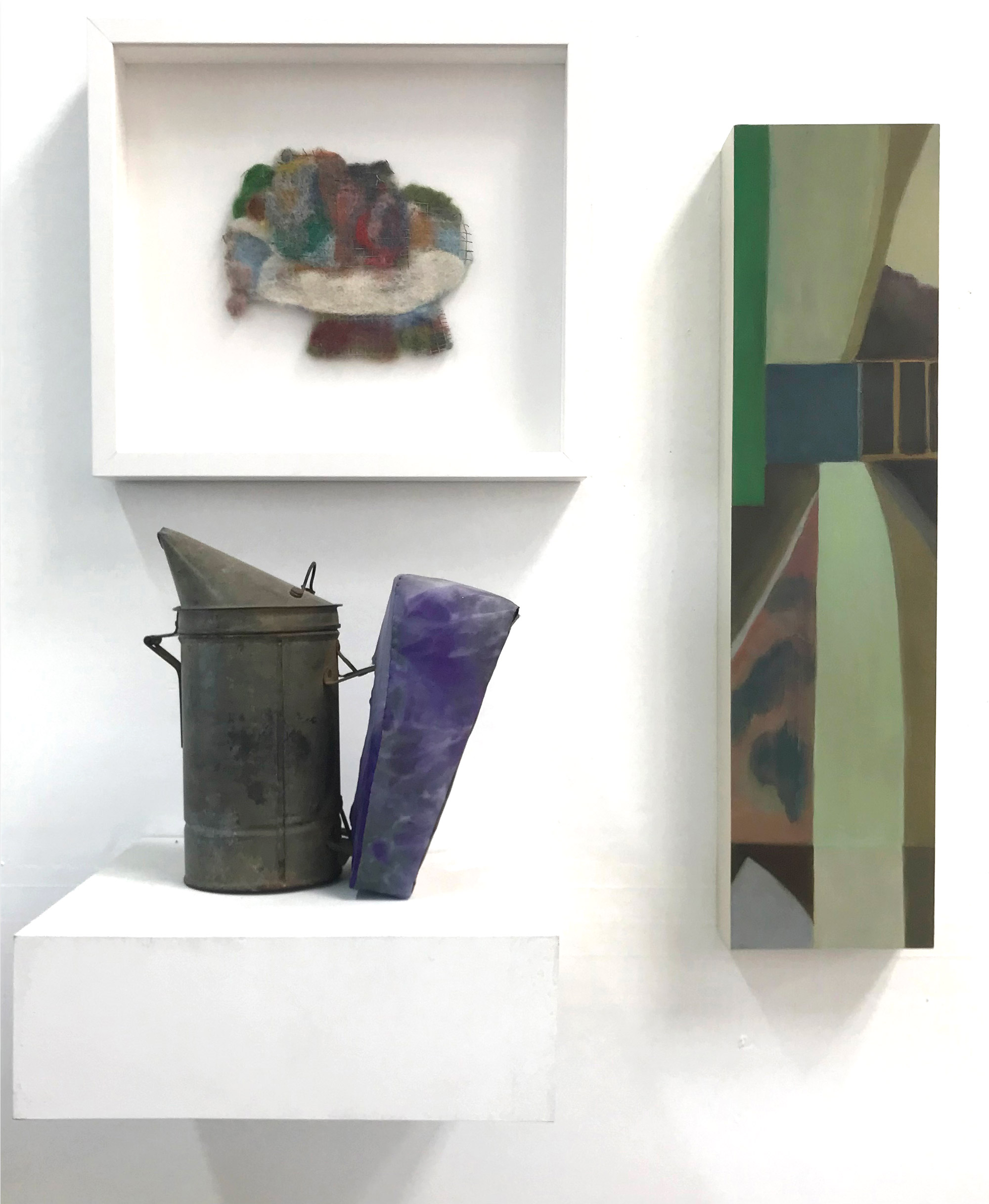
Assemblage 1
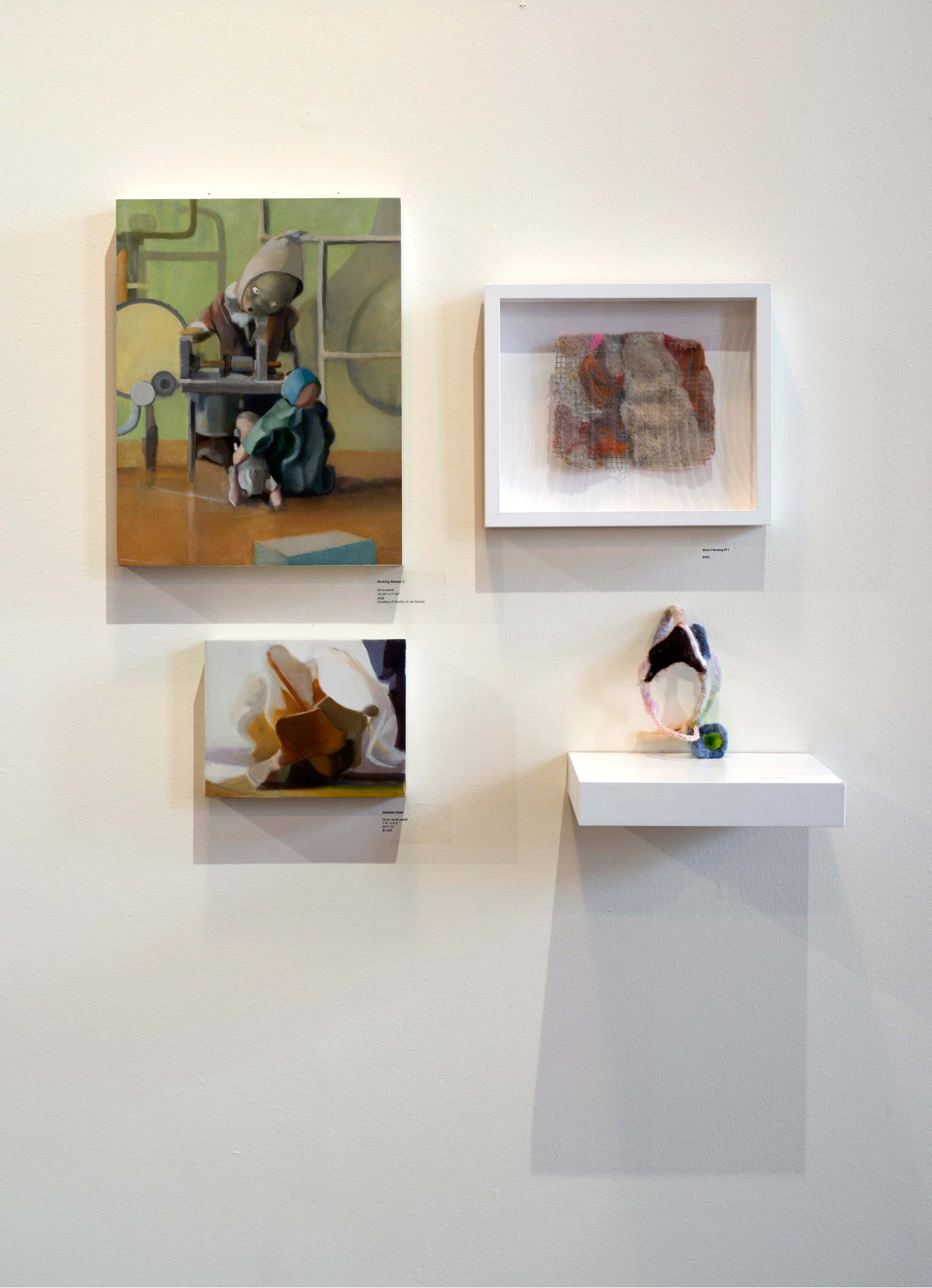
Assemblage 3
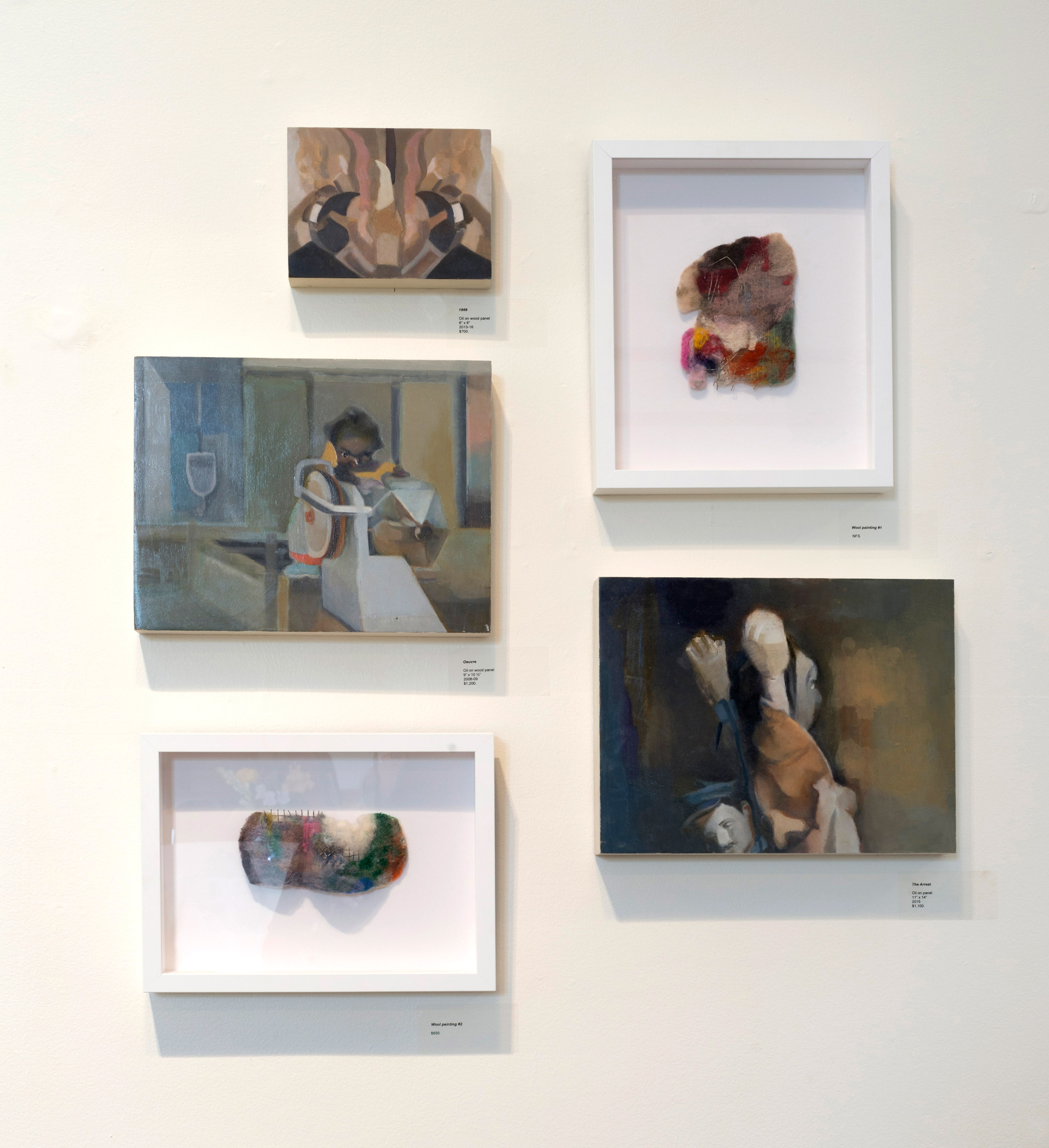
Assemblage 2
Headquarter Blossom
2021, Oil on paper, 33 x 25 inches (framed)
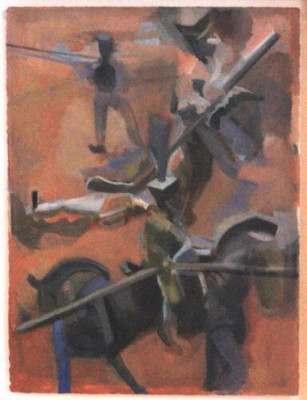
Blue Horses
2019, Oil on paper, 34.5 x 25.5 inches (framed)
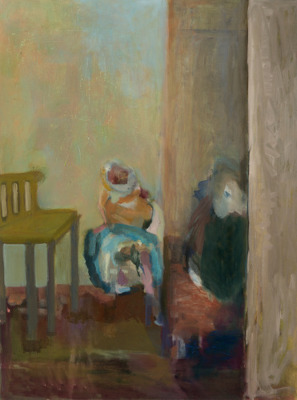
Waiting Room
2018-19, Oil on paper, 33 x 25.5 inches (framed)
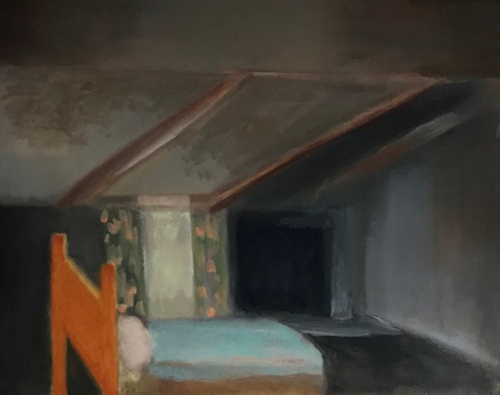
Garret
2019, Oil on paper, 24.75 x 30.5 inches (framed)
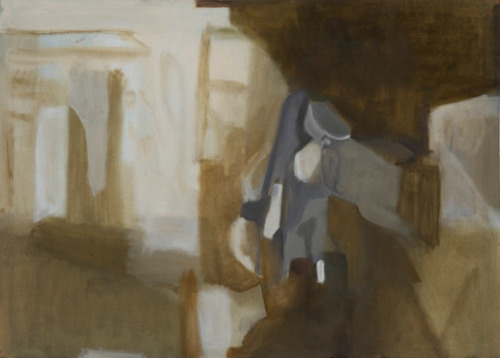
Work Break
2018, Oil on paper, 33 x 24.5 inches (framed)
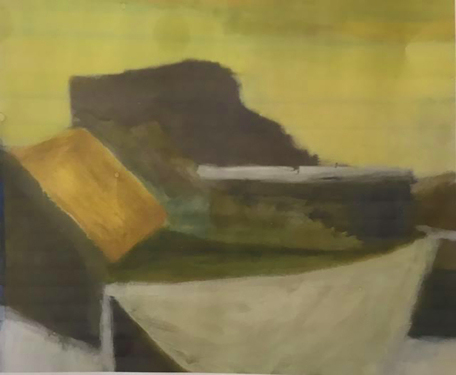
Encampment
2019, Oil on paper, 22 x 30 inches
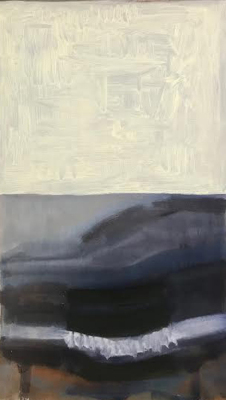
Piano
Oil on paper, 22 x 15 inches
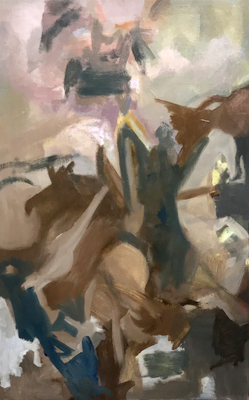
Horses
2019, Oil on paper, 33 x 25 inches
Private Collection
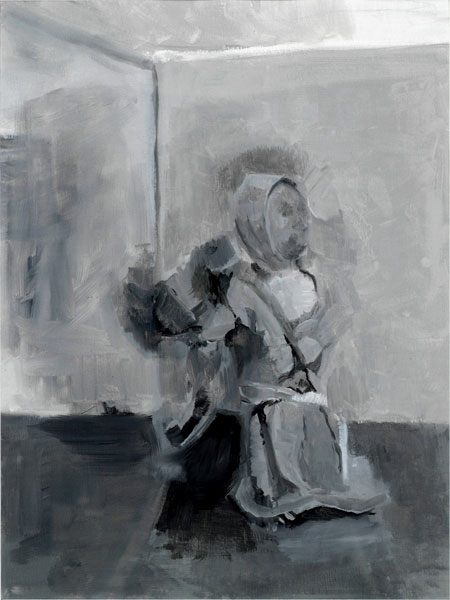
Double
2008, oil and alkyd on paper, 25 x 19 inches (framed)
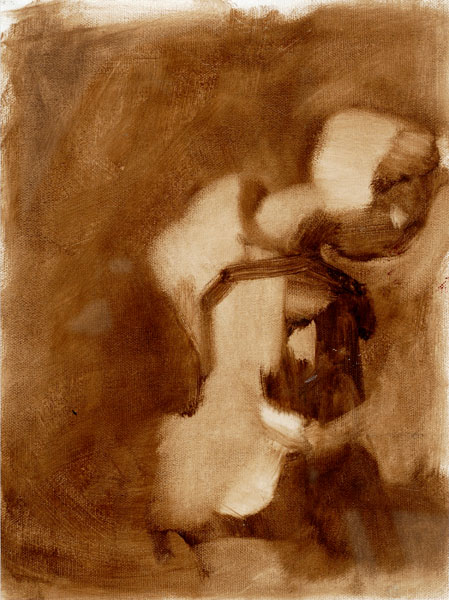
Wash Corner Study
2008, oil on canvas paper, 19 x 15 inches (framed)
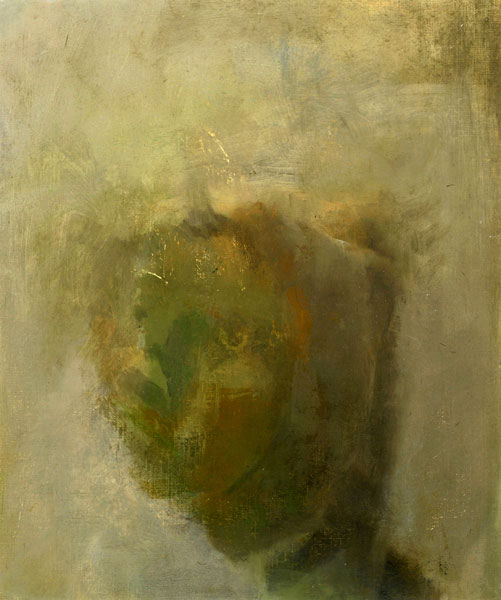
Cousin
2008, oil and alkyd on paper, 19 x 15 inches (framed)